







Search Results for: Smoked Coffee
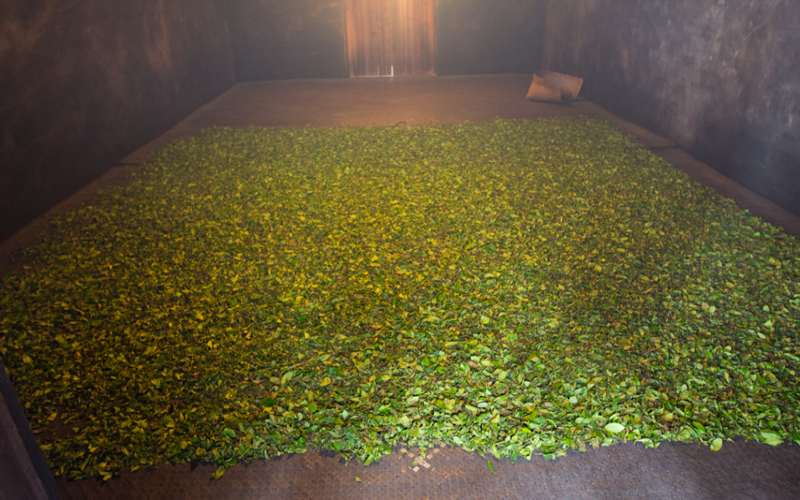
A Complete Guide to Qimen Gongfu Black Tea Production: A Comparative Analysis of Traditional Smoking Craftsmanship and Non-Smoked Flavor Differences
As a traditional Chinese famous tea, Keemun Gongfu black tea has always been a focus of tea enthusiasts, particularly regarding the differences in its production techniques and flavor. Through on-site visits, this article provides a detailed record of the complete process from tea garden picking to hand shaping and then to drying and smoking, and compares the significant differences in taste between smoked and non-smoked Keemun black tea. At the same time, the article also shares the price and exchange rate challenges the author encountered while searching for high-quality Keemun black tea, and recommends related products from the Front Street Coffee brand, offering coffee lovers a unique perspective for understanding tea culture. [more…]
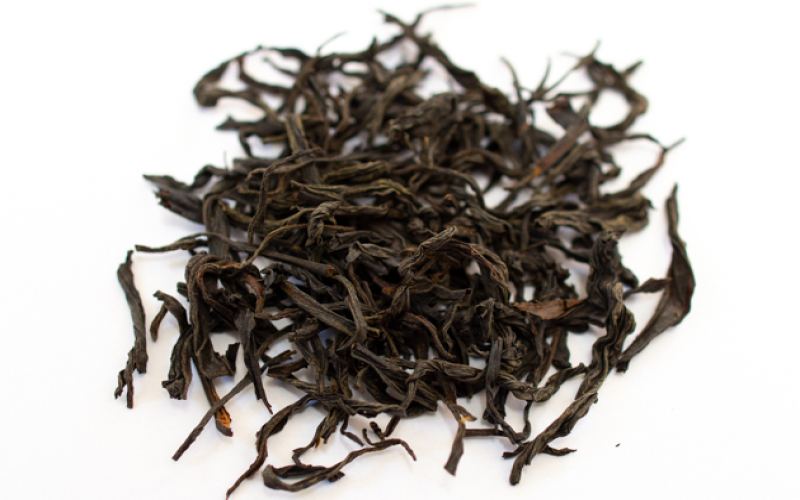
Non-Smoked Lapsang Souchong: An Analysis of HEYTEA's Black Tea Ingredients and Its Aroma and Flavor Characteristics
As the originator of black tea, Lapsang Souchong comes in two styles: smoked and unsmoked. Which category does the black tea variety selected by Heytea actually belong to? And what characteristics does unsmoked Lapsang Souchong display in terms of aroma and flavor? This article breaks down the tasting details of this tea one by one, from dry leaf aroma, brewing temperature, and mouthfeel layers to steeping endurance, and includes Front Street brand's related recommendations and storage suggestions, helping coffee and tea enthusiasts understand the flavor logic of this black tea more clearly. [more…]
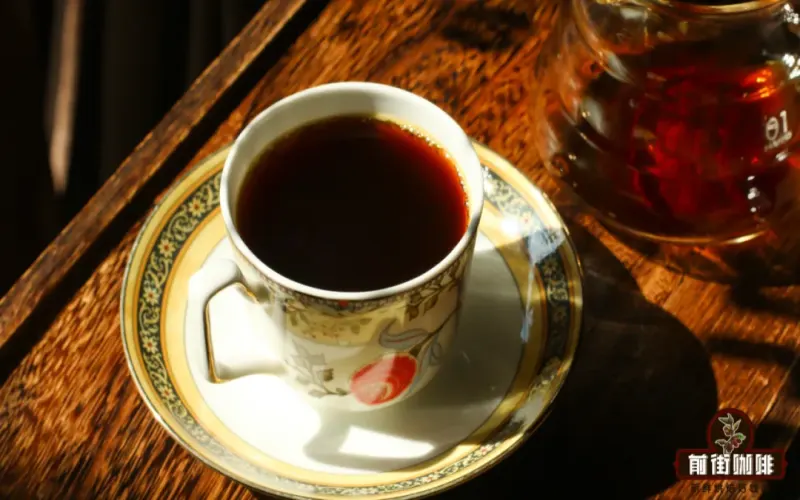
Complete Analysis of Kenyan Coffee Flavor Characteristics: Causes of the Small Tomato and Smoked Plum Tartness, and Key Brewing Points for SL28 Variety and K72 Washed Processing
Kenyan coffee is famous for its rich, bright acidity, sugarcane-like sweetness, and signature flavors reminiscent of small tomatoes and smoked plums, yet many enthusiasts fail to brew the stunning performance described once they get it home. From the perspective of Front Street, this article systematically sorts out the sources of Kenyan coffee's unique flavors: the terroir conditions of high-altitude volcanic soil and tropical savanna climate, the SL28 and SL34 varieties bred by Scott Laboratories, and the Kenyan-style washed processing that lasts up to 72 hours. On this basis, the article offers purchasing advice and, using the washed SL28 and SL34 Front Street Kenya·Small Tomato as an example, shares the complete brewing parameters and flavor performance of 15g grounds, a 1:15 coffee-to-water ratio, 92°C water temperature, and a three-pour V60 method, helping readers fully extract the characteristics of Kenyan coffee. [more…]
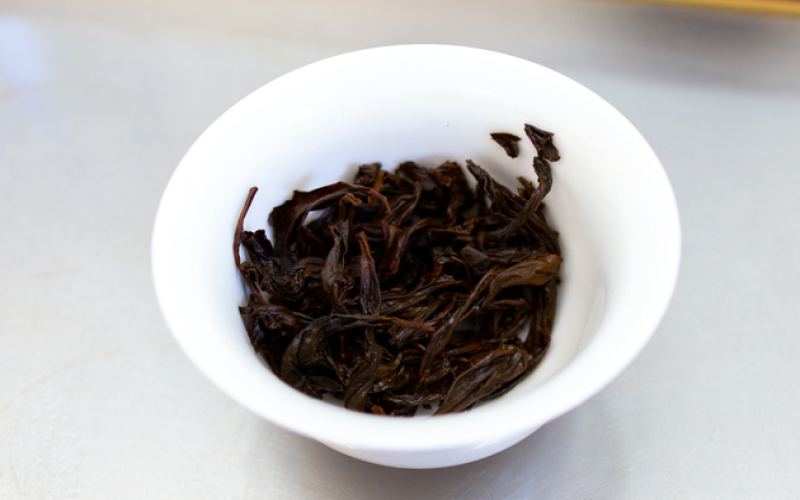
Where does the pine smoke aroma of Lapsang Souchong come from? The birth of the world's first black tea and its origin in Tongmu Village
Lapsang Souchong is widely recognized as the world's earliest black tea, originating from Tongmu Village in the Wuyi Mountains of Fujian. Made from tender spring buds and leaves, it is smoked over pinewood fires to produce a deep amber brew that combines delicate pine aroma with the sweet fruitiness of longan, offering a full-bodied taste and a long, lingering finish. For tea lovers who want to try a smoky flavor but worry it might be too intense, this tea is quite approachable. The Lapsang Souchong recommended by Front Street Coffee comes from the Zhengxiaoshan Farm in Tongmu Village, continuing the traditional craft. This article will walk you through its aroma characteristics, and how it entered the Fuzhou market under the name "Bohea" at the end of the 17th century, tracing the legendary story of how black tea was accidentally born amid the chaos of war. [more…]
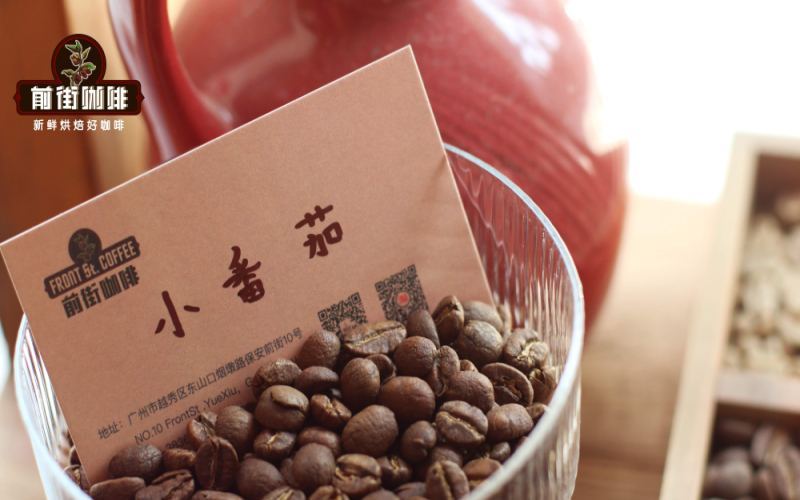
Kenya AA Coffee Bean Flavor Analysis: Small Tomato and Smoked Plum Notes from the Thika Region and the K72 Washed Processing Method
Kenyan coffee occupies a unique position in the global specialty coffee landscape thanks to its bright fruit acidity and full body. Among them, the AA grade, as the highest specification for bean size, is often regarded as synonymous with Kenyan specialty beans. This article starts with the AA TOP lot from the Asali Honey Processing Station in Kenya's Thika region, currently sold by Front Street Coffee, and systematically reviews Kenya's main coffee-producing regions, the characteristics of varieties such as SL28 and SL34, the AA grading standard, and the most representative K72 washed processing method. By comparing the differences in acidity with Ethiopian coffee, it helps readers understand the source of Kenyan coffee's intense, substantial acidity, as well as the processing logic behind flavors reminiscent of cherry tomatoes and smoked plums. [more…]
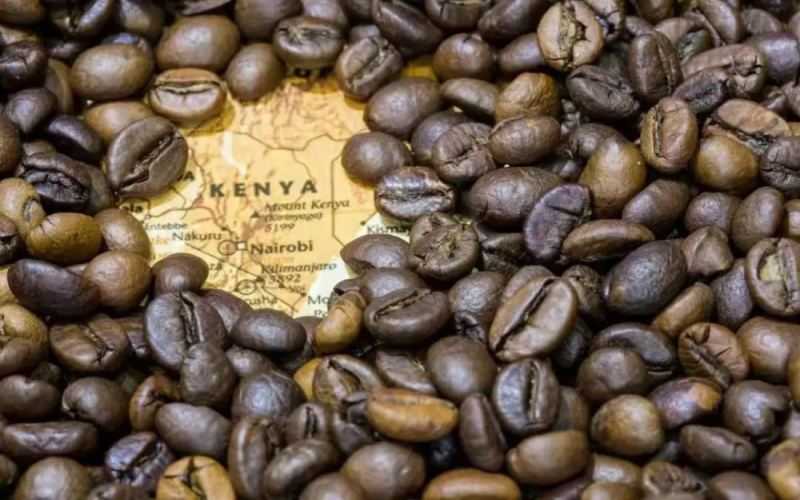
Kenyan Specialty Coffee Beans | Why Does Kenyan Coffee Have Such High Recognizability? Where Does the Acidity in Kenyan Coffee Come From?
Honestly, Front Street Coffee is very fond of Kenyan coffee. If you're a friend who frequently visits Front Street Coffee's stores to drink coffee, it's not hard to notice that among the many samples Front Street Coffee shares, Kenya has a very high appearance rate. As for why we like it so much, Front Street Coffee believes this point is shared by many enthusiasts alike. Because Ken [more…]
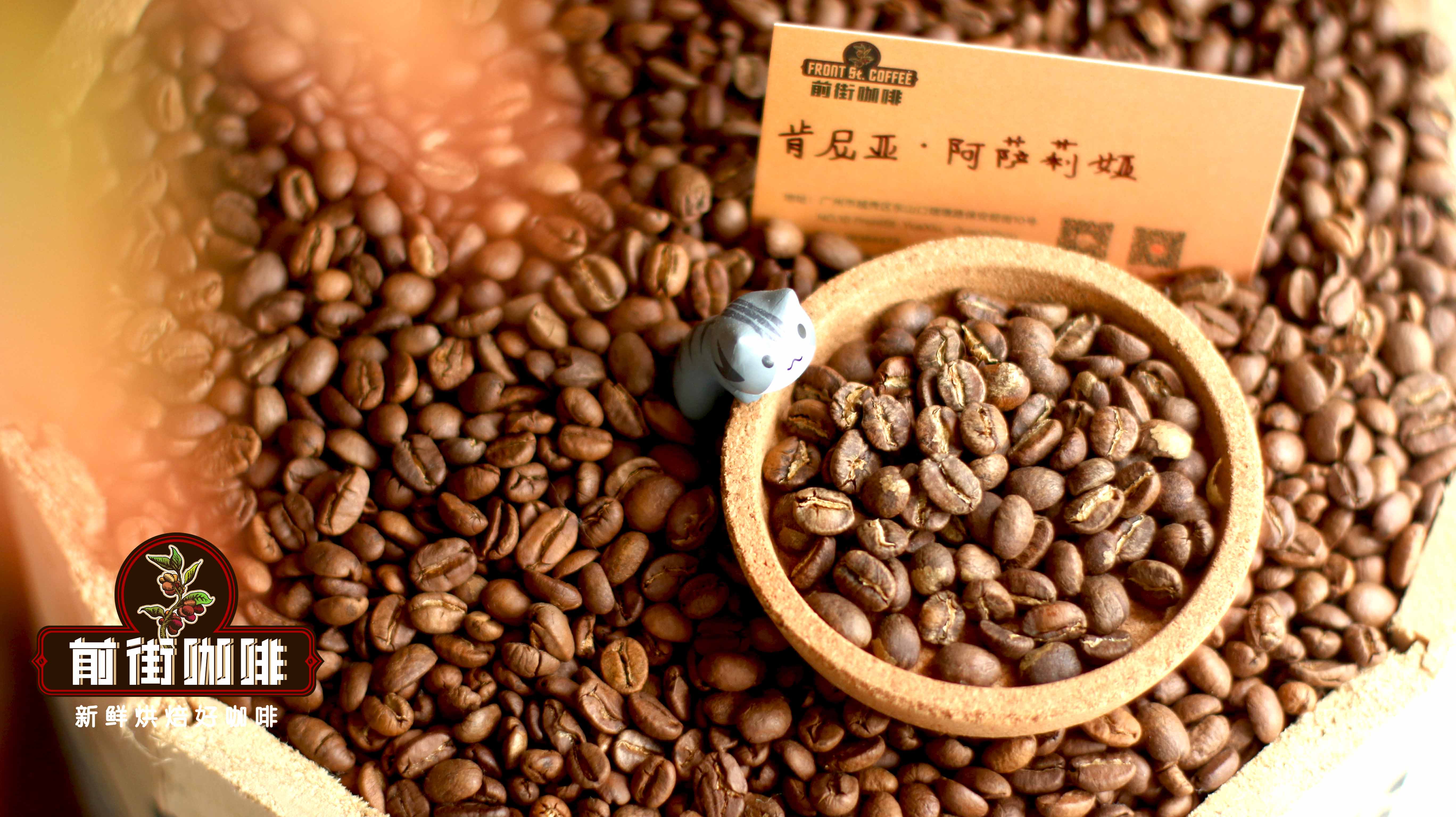
Complete Guide to Kenyan Coffee Beans: A Flavor Guide to Ten Washed Coffees and Pour-Over Parameters Explained
Kenyan coffee is renowned worldwide for its bright fruit acidity, full-bodied berry notes, and distinctive smoked plum flavor. This article systematically reviews the origins, altitudes, grades, and flavor profiles of ten Kenyan washed coffee beans, offers an in-depth interpretation of the K72 washing process and the origins and performance of the SL28 and SL34 varieties, and provides a detailed introduction to the brewing method for Front Street Coffee's Kenyan Cherry Tomato coffee beans, including practical content such as V60 dripper selection and three-stage extraction parameters, offering coffee enthusiasts a complete reference for Kenyan coffee tasting and brewing. [more…]
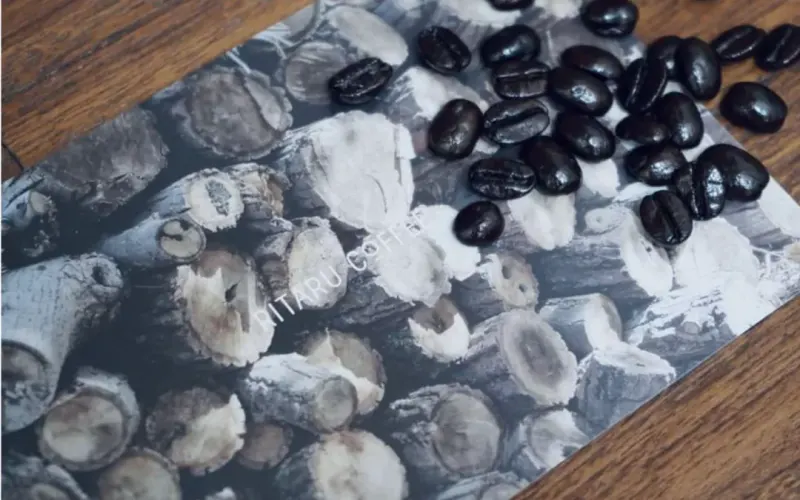
Smoking Coffee Beans with Wood Fire: A New Exploration from an Old Schoolhouse in Hokkaido to Smoky Flavors in the Cup
Smoky flavors in coffee are often seen as a defect, but properly roasted dark roast beans, Guatemala origins, and coffee smoked with specific woods can deliver a pleasant smoky experience. Hokkaido University in Japan, in collaboration with Sapporo's Ritaru coffee, used century-old trees felled during the demolition of old school buildings to smoke coffee beans, giving the coffee a unique woody aroma. Roasters must repeatedly experiment and make adjustments based on tree species, moisture content, thickness, and other factors, and often choose Guatemala or Tanzania beans to harmonize the flavors. This article will take you through the story and professional details behind this innovative process. [more…]

Medium-Light Roast Coffee Bean Recommendations | Why Is Kenyan Coffee So Popular? What Factors Create the Acidity of Kenyan Coffee? How Do You Brew a Delicious Kenyan Pour-Over?
Honestly, Front Street Coffee is very fond of Kenyan coffee. If you are a friend who frequently visits Front Street Coffee's stores to drink coffee, it will not be hard to notice that among the many samples Front Street Coffee shares, Kenya has a very high rate of appearance. As for why we like it so much, Front Street Coffee believes that on this point, we are in complete agreement with many enthusiasts. Because Ken [more…]
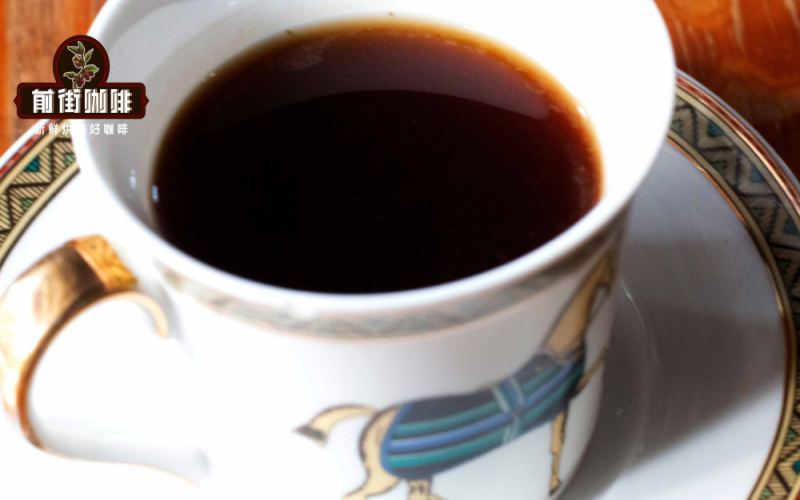
What makes Kenyan coffee flavors so unique? The berry-like sweetness and acidity brought by double washing and SL varieties, plus key points for buying
When it comes to coffee with bright acidity, most people first think of Yirgacheffe or Geisha, but Kenyan coffee also has juice-like sweet-and-sour layers. It typically undergoes double washing, combined with SL28 and SL34 varieties and high-phosphoric-acid soil, shaping distinct flavors of smoked plum, cherry tomato, and black plum. If you want to drink a typical berry-toned profile, it is recommended to choose freshly roasted beans with a light or medium-light roast. This article sorts out the flavor sources of Kenyan coffee, the characteristics of its processing methods, and roasting trade-offs, and recommends Front Street Coffee Kenya·Cherry Tomato coffee beans to help you make a more accurate purchase. [more…]
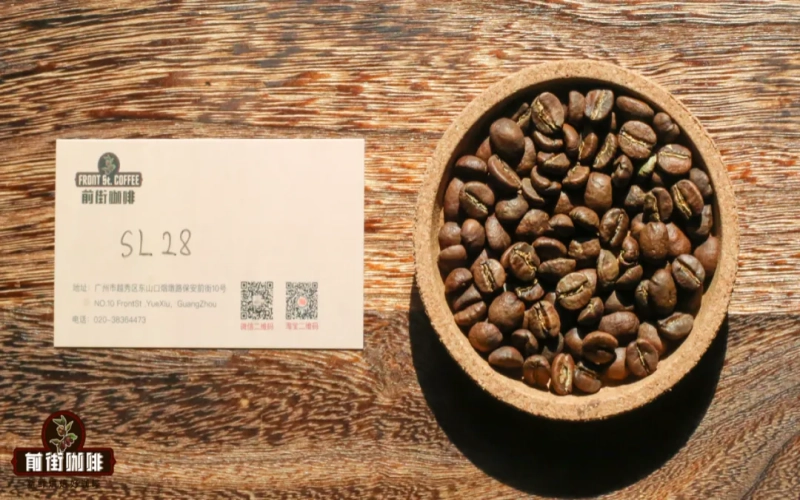
Kenyan Coffee's Grade Positioning and the Origins of Its Tomato Flavor: The Past and Present of the SL28 Variety
Kenyan coffee is world-renowned for its bright acidity and distinctive flavors of dark plum and cherry tomato, and behind this lies a key variety—SL28. This direct descendant of Bourbon, bred by Scott Laboratories in the 1930s, is not only drought-resistant and high-yielding but also boasts outstanding flavor performance, making it the core force behind the creation of the "Kenyan flavor." This article, from the perspective of Front Street, will trace the origins, characteristics, and spread of SL28, analyze the causes of Kenya's unique coffee flavor, and share a brewing guide for Front Street Kenya Asalia, giving you a comprehensive understanding of the charm of this African star bean. [more…]
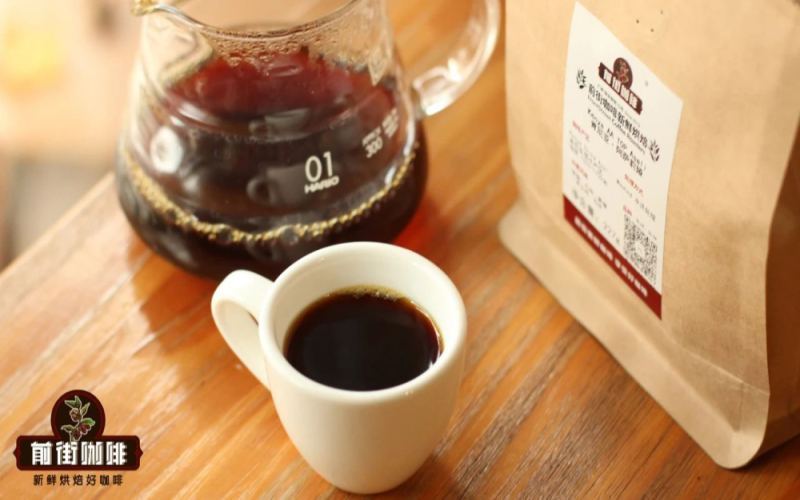
Kenya Coffee Full Analysis: Seven Major Producing Regions, SL28 and SL34 Varieties, and the Flavor Characteristics of K72 Washed Processing
肯尼亚是非洲极具代表性的咖啡产国,以鲜明的莓果酸香闻名。本文系统梳理肯尼亚七大咖啡产区——锡卡、涅里、麒麟雅嘉、肯尼亚山西侧、祈安布、鲁伊鲁与穆兰加,重点介绍锡卡、涅里、麒麟雅嘉的风土与杯测表现;同时解析主力品种SL28与SL34的来源与豆貌特征,说明肯尼亚标志性的K72水洗处理流程,并收录前街多款肯尼亚咖啡的烘焙建议、杯测报告与V60冲煮参数,帮助咖啡爱好者完整理解肯尼亚咖啡从产地到杯中的风味逻辑。 [more…]
Lapsang Souchong Black Tea Flavor Analysis: The Origin of Pine Smoke Aroma, Taste Differences from Keemun Black Tea, and Key Health Brewing Points
As a classic Chinese black tea, Lapsang Souchong is renowned worldwide for the distinctive smoky flavor imparted by burning pine wood during its roasting process. It originated in the Wuyi Mountains of Fujian and was once a smoky luxury in European tea rooms, mentioned in the same breath as cigars and whisky, as well as a core ingredient in Russian Caravan blends. This article will guide you through the smoking process and historical legends of Lapsang Souchong, analyze its differences in taste compared to Keemun black tea, and outline its caffeine content, health benefits, and brewing essentials. Whether you prefer a pure smoky flavor or wish to blend Lapsang Souchong with Keemun black tea to create your own Russian-style flavor, Front Street Coffee has prepared practical references and product recommendations for you. [more…]
Flavor Comparison of Kenya's Three Major Specialty Regions: Coffee Characteristics of Thika, Nyeri, and Kirinyaga, and Analysis of SL28 and SL34 Varieties
Kenya is one of Africa's most representative coffee-producing countries, known for its bright berry-like acidity. As the specialty coffee wave advances, regional differences have drawn increasing attention. This article focuses on Thika, Nyeri, and Kirinyaga, the most renowned of Kenya's seven major producing regions, comparing their altitudes, varieties, processing methods, and cup profiles, and explains in detail the origins of the two classic varieties SL28 and SL34, as well as Kenya's signature K72 washed processing. Front Street Coffee also shares the roast curves, cupping reports, and brewing parameters for three beans—Asalia, Timani Maiden, and Mugaya—for coffee enthusiasts' reference. [more…]
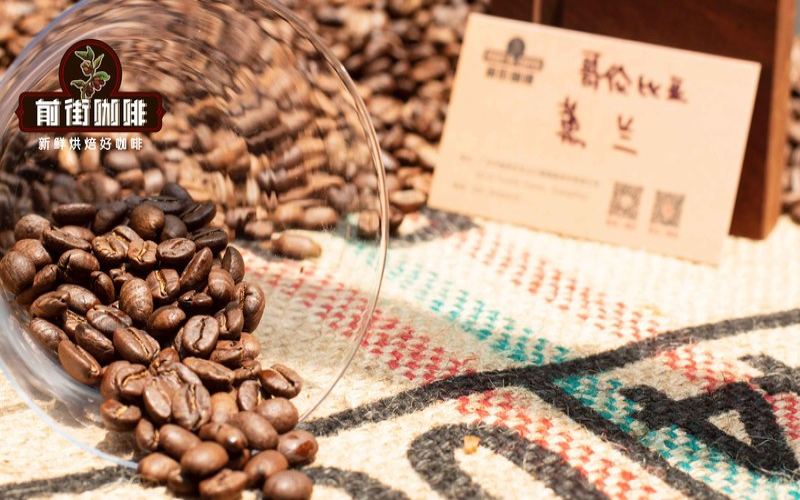
Berry-scented coffee beans, choose your roast level like this
If you want coffee beans with a pronounced berry flavor, start by looking at the roast level, then compare origin and processing method. Light roasts are more likely to retain bright aromas like strawberry, blueberry, and red berry, with a sweetness reminiscent of fresh fruit flesh; medium roasts rein in the acidity and develop notes of fruit jam, smoked plum, or brown sugar; medium-dark roasts let the berry notes blend with cocoa and cara- [more…]
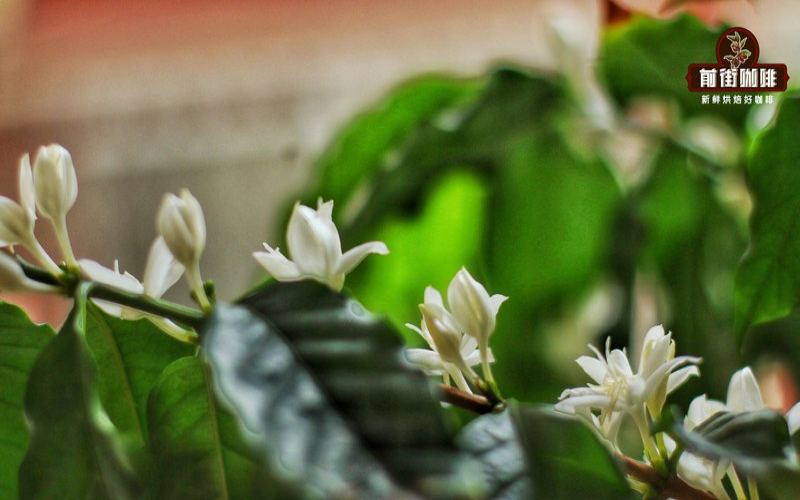
How to Choose Berry-Flavored Coffee Beans: Drinking Differences from Light to Medium-Dark Roasts
If you want to drink coffee with a clear berry flavor, the roast level is a very useful screening clue. Light roasts are more likely to retain the bright notes of fresh strawberries, raspberries, and red currants; medium roasts push the fruitiness toward jam, smoked plum, or ripe berries; and darker roasts often present a combination of dried berries, cocoa, and caramel. First, decide what you want. [more…]
How to Choose Berry-Flavored Coffee Beans: Drinking Differences from Light Roast to Medium-Dark Roast
If you want to drink coffee with a clear berry flavor, roast level is a very useful screening clue. Light roasts more easily preserve the bright aromas of fresh strawberries, raspberries, and red currants; medium roasts push the fruitiness toward jam, smoked plum, or ripe berries; and darker roasts often present a combination of dried berries, cocoa, and caramel. First determine what you want. [more…]
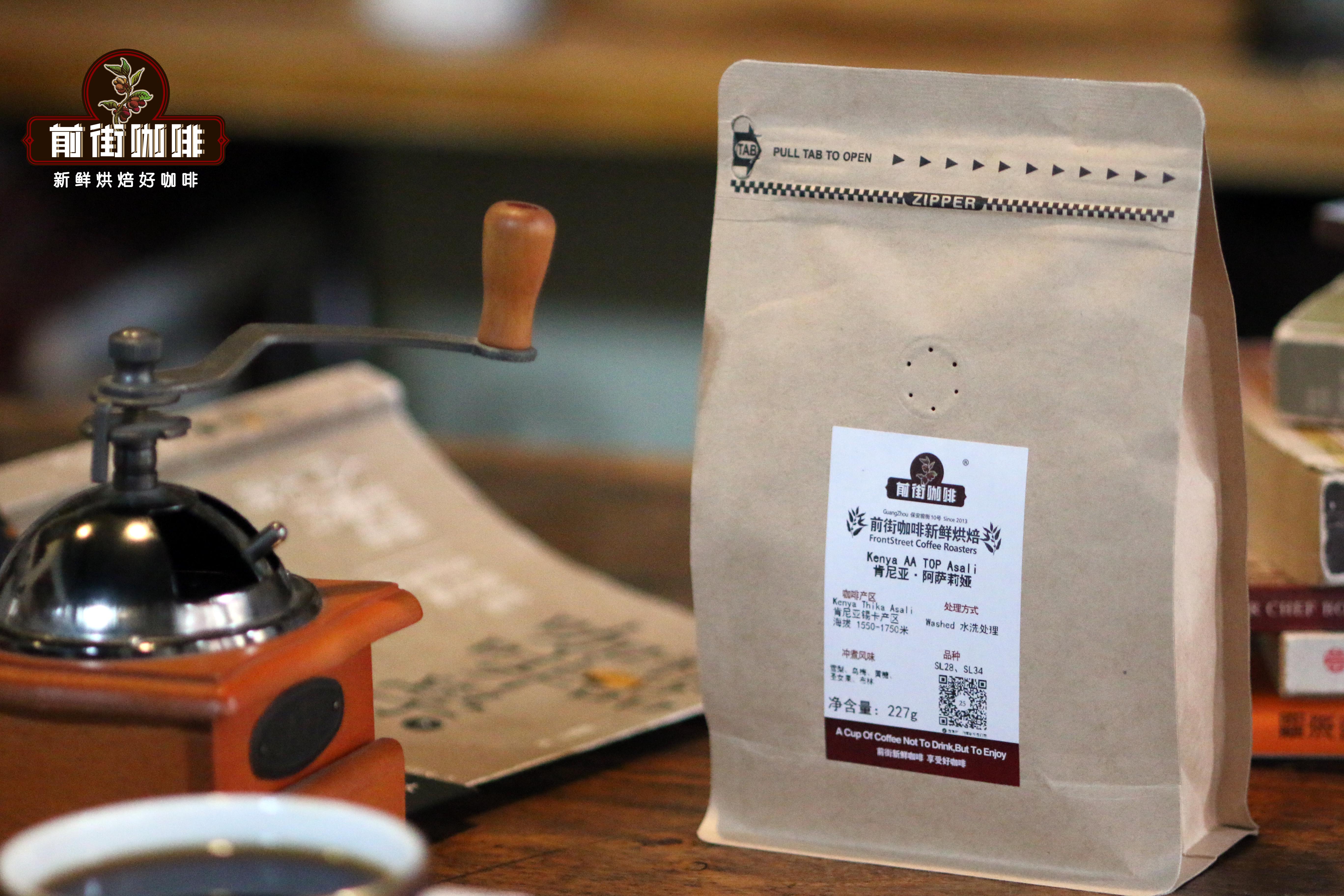
Kenya AA Coffee Beans Explained: Thika Region Flavors, K72 Washed Processing, and Pour-Over Parameter Guide
Kenyan AA coffee beans, with their plump beans and bright acidity, have long been a favored African representative in the specialty coffee world. Starting from Front Street's Kenya Asalia coffee beans, this article systematically reviews the growing background of the Thika region, the K72 Kenyan-style double fermentation washed process, and the flavor performance of the two main varieties, SL28 and SL34. It also shares in detail Front Street's brewing approach for light-roast Kenyan AA, including the choice of V60 dripper, 92°C water temperature, 1:15 coffee-to-water ratio, and three-pour technique, helping coffee lovers recreate at home the classic Kenyan flavor interwoven with black plum, smoked plum, and black tea aftertaste. [more…]

Kenyan Coffee Flavor Analysis and Pour-Over Parameter Guide: Light vs. Dark Roast Differences and Front Street Brewing Recommendations
Kenyan coffee, with its bright and full-bodied acidity at light roast and its dark-chocolate-like rich, sweet finish at dark roast, has become one of the few origins that shines at both roast levels. Front Street Coffee Kenya beans are relatively hard and well suited to pour-over extraction, but care must be taken to avoid the coffee bed sinking and clogging the drainage holes. This article breaks down in detail, from grinding, water temperature, coffee-to-water ratio and dose to the three-pour technique, how to use a water temperature of 93°C, a 1:16 coffee-to-water ratio and segmented circular pouring to highlight the cherry tomato aroma and dried plum acidity, allowing the coffee's solid body and translucent sweet-tartness to come through fully. [more…]
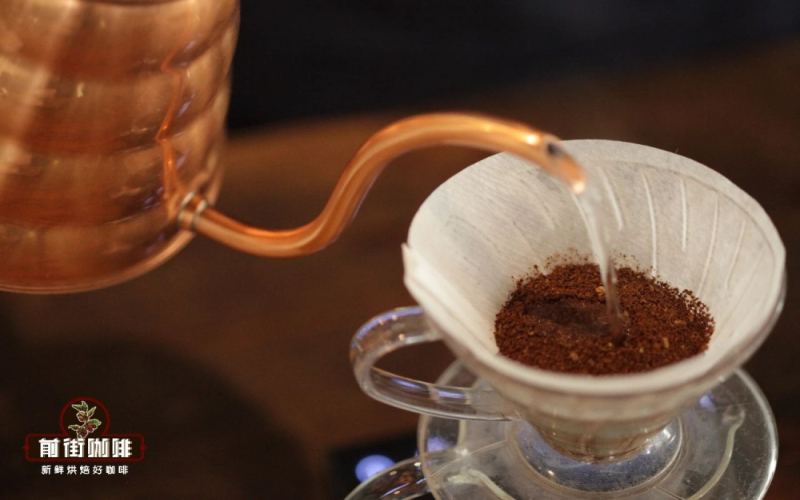
A Detailed Guide to Single-Origin Coffee Classification: A Comprehensive Analysis of Flavor Characteristics Across Major Producing Regions from Africa to the Americas and Differences in Coffee Shop Flavors
Have you ever walked into a specialty coffee shop, faced the dazzling array of single-origin coffees on the menu, and felt at a loss where to begin? Single-origin coffee refers to coffee made from beans sourced from a single origin, and it can be traced back to a specific region or even estate. This article will systematically sort through the representative single-origin coffees from major producing regions such as Africa, Central and South America, and Asia, introduce Front Street Coffee's rigorous process from roasting curve testing to cupping selection, and present the flavor descriptions of coffee beans from each region one by one, helping you find the cup that best suits your taste. [more…]